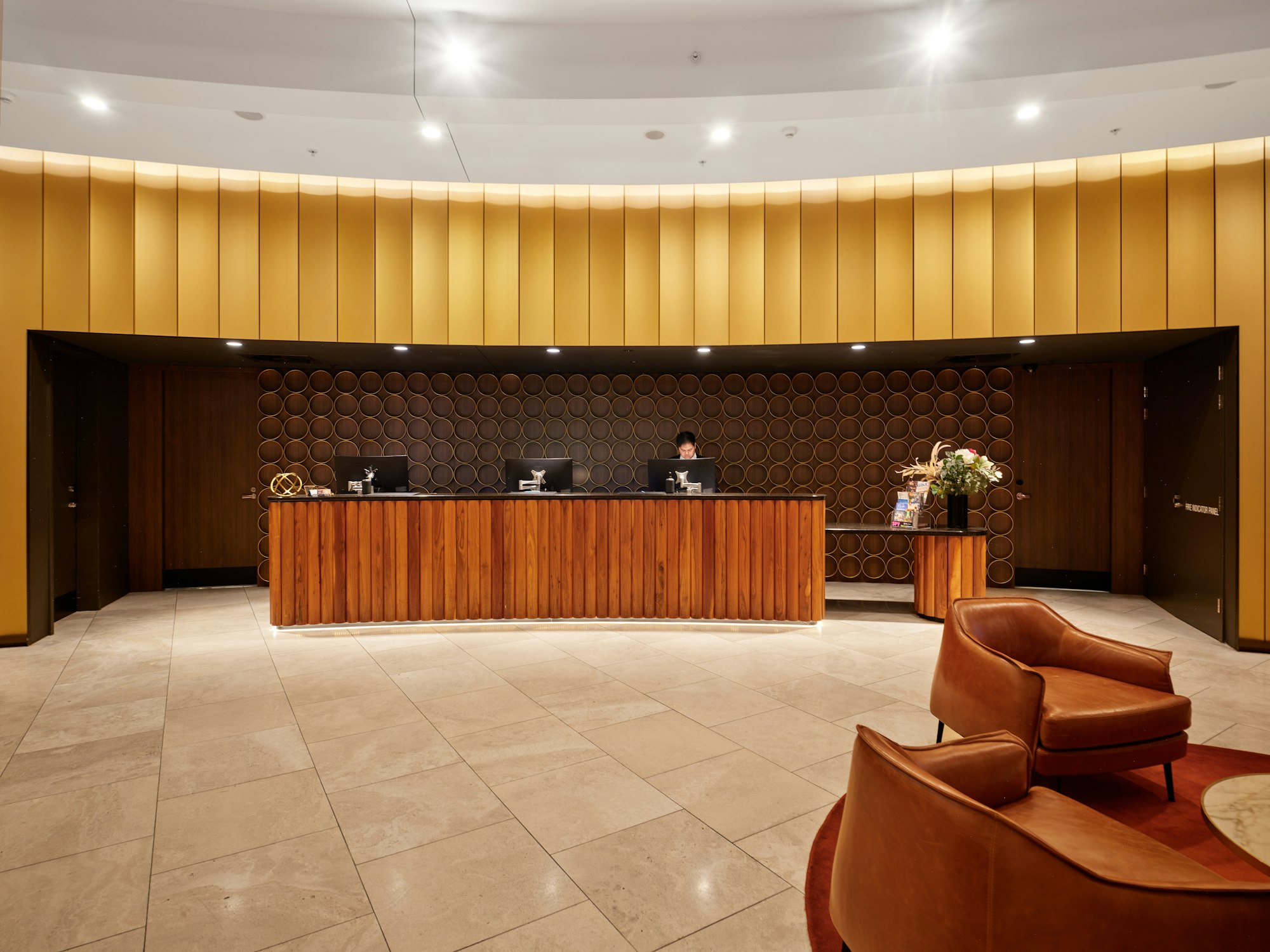
Hiring hotel staff is one of the most important decisions a hospitality business makes.
A hotel can have beautiful rooms, a strong location, attractive facilities and a recognised brand, but the guest experience is still shaped by people. The receptionist who welcomes a tired traveller. The housekeeping team that protects cleanliness and comfort. The waiter who remembers a guest’s request. The kitchen team that maintains consistency under pressure. The supervisor who keeps the team organised when the hotel is full.
In hospitality, recruitment is not only an HR function. It directly affects service quality, guest satisfaction, team morale and business reputation.
For hotel employers in Malaysia, the challenge is rarely just about finding applicants. The real challenge is finding people who are suitable for hotel operations: candidates who understand service standards, can communicate professionally, work with discipline, adapt to shifts and represent the property well.
This is why hotel recruitment should be handled with structure, not guesswork.
Jobs Kreate supports employers with practical recruitment and manpower solutions across hospitality, hotels, resorts, food and beverage, cruise line hospitality, retail, service operations and related sectors. As a licensed Malaysian recruitment agency based in Kuala Lumpur, we help employers make hiring more organised, more focused and more dependable.
Why hotel hiring needs a different level of care
Hotel work is highly visible. Every department contributes to the guest journey, and every weak point can affect the overall experience.
A front office candidate must be able to communicate clearly, handle pressure and remain professional even when guests are tired, confused or upset. A housekeeping candidate must be disciplined, consistent and attentive to details that guests may not always mention but will definitely notice. A food and beverage candidate must balance speed, presentation, memory, teamwork and service attitude. A kitchen candidate must understand hygiene, timing, consistency and the pressure of peak periods.
This makes hotel recruitment very different from general hiring.
Experience matters, but experience alone is not enough. A candidate may have worked in hospitality before, but still may not suit your brand standard, guest profile, department culture or operational requirements. Another candidate may be junior, but may have the right attitude, grooming, willingness to learn and long-term potential.
Good hotel hiring means looking beyond a resume. It means understanding the person, the role, the working environment and the expectations on both sides.
The real cost of hiring the wrong hotel candidate
When a hotel is short-staffed, it can be tempting to hire quickly. But rushed hiring often creates bigger problems later.
A wrong hire can place pressure on existing team members, slow down service, increase supervisor workload and affect guest experience. If the candidate leaves shortly after joining, the employer has to restart the hiring process, while the department continues operating with gaps.
In hotels, this impact is felt quickly. Rooms still need to be cleaned. Guests still need to be checked in. Breakfast service still needs to run. Events still need support. Complaints still need to be handled professionally.
This is why employers should not only ask, “Can this person start soon?”
A better question is: “Is this person suitable for the role, the department and the standards of our property?”
The purpose of structured recruitment is not to slow hiring down. It is to reduce unnecessary mistakes before they become operational problems.
Common staffing challenges faced by hotels in Malaysia
Many hotel employers experience the same hiring pattern. Applications may come in, but only a small number of candidates are truly suitable. Some candidates lack the communication skills needed for guest-facing roles. Some are not prepared for shift work. Others may have unclear expectations about salary, duties, grooming, reporting structure or career progression.
During peak seasons, festive periods, school holidays, major events, new openings or sudden resignations, these challenges become more urgent. Hiring managers may not have time to screen every applicant carefully, yet departments still need reliable people.
This is where the recruitment process can become stressful. The hotel needs speed, but also quality. The department needs manpower, but not just anyone. The employer needs candidates, but candidates must be ready, contactable, realistic and suitable.
Without proper screening, managers may spend too much time interviewing applicants who were never a good fit from the beginning.
A structured recruitment partner helps reduce this friction by supporting the early stages of candidate identification, screening and coordination.
What makes a strong hotel candidate?
A strong hotel candidate is not always the person with the longest employment history. Suitability depends on the role, department, seniority level and service environment.
For guest-facing roles, communication and presentation are essential. Candidates need to speak with confidence, listen carefully and remain calm during busy or difficult situations. For operational roles, discipline, stamina, teamwork and attention to detail may be more important. For supervisory roles, employers often need candidates who can guide junior staff, solve problems, maintain standards and communicate clearly with management.
Across most hotel roles, the best candidates usually share several qualities: they are reliable, service-minded, realistic about hospitality work and willing to follow procedures. They understand that hotel operations can be demanding, especially during peak hours. They also understand that professionalism is not only about skill, but also about attitude, grooming, punctuality and respect for the team.
This is why screening matters. A resume can show experience, but a proper recruitment process helps assess readiness.
Key hotel departments that require careful recruitment
Hotel recruitment covers many departments, and each department requires different screening priorities.
Front office and guest services
Front office teams shape the first and last impression of a guest’s stay. These candidates should have strong communication skills, confidence, grooming, problem-solving ability and a professional service attitude. For guest service roles, employers should look for people who can remain composed, explain information clearly and handle guest concerns with maturity.
Housekeeping and rooms division
Housekeeping directly affects comfort, cleanliness and brand perception. A strong housekeeping candidate should be disciplined, consistent and physically ready for the demands of the role. Speed matters, but so does attention to detail. In this department, reliability and respect for standards are critical.
Food and beverage service
F&B service roles require more than serving food. Candidates need to manage timing, presentation, product knowledge, guest interaction and teamwork. In hotels with restaurants, banquets, lounges or room service, F&B candidates must be prepared for peak periods and changing guest expectations.
Kitchen and culinary
Kitchen hiring requires careful attention to skill level, hygiene awareness, discipline and the ability to work under pressure. Junior kitchen candidates may need training and supervision, while senior culinary candidates must show consistency, leadership and department knowledge.
Operational and customer service support
Depending on the property, hotels may also need candidates for retail, spa, recreation, customer service, administrative coordination or other support functions. These roles may not always be the most visible, but they still affect the smooth running of the hotel.
The more clearly each department defines its expectations, the easier it becomes to identify suitable candidates.
Why clear role requirements improve hiring results
One of the most common reasons hotel recruitment becomes difficult is that the role is not defined clearly enough at the beginning.
A vague job description attracts vague applications. A clear role profile helps candidates understand the position and helps recruiters screen more accurately.
Before starting recruitment, hotel employers should clarify the job title, department, location, number of vacancies, salary range or employment package where available, working hours, shift requirements, required experience, language expectations, grooming standards, documentation requirements and expected start date.
This does not need to be complicated. It simply needs to be clear.
For example, hiring a waiter for a casual outlet is different from hiring a banquet service crew member for large events. Hiring a housekeeping attendant for a boutique property is different from hiring a rooms division supervisor for a larger hotel. Hiring a front office associate for a local hotel is different from hiring someone for an international hotel environment with a higher volume of foreign guests.
The better the role is understood, the better the matching process becomes.
The importance of screening before interviews
Interview time is valuable. Hotel managers and department heads are often busy with daily operations, so interviews should be used for candidates who have already passed basic suitability checks.
Screening helps confirm whether the candidate has relevant experience, understands the nature of the role, can meet working hour expectations, has realistic salary expectations and is ready for the required documentation or onboarding steps.
For hospitality roles, screening should also look at communication, attitude and presentation. These qualities are difficult to judge from a resume alone, but they often determine whether the candidate can succeed in a hotel environment.
A good screening process does not guarantee a perfect hire, but it helps employers avoid wasting time on candidates who are clearly unsuitable. It also helps candidates understand the role before they attend an interview, which leads to better preparation and fewer misunderstandings.
How a recruitment agency supports hotel employers
A recruitment agency can help hotels reduce the workload involved in early-stage hiring.
Instead of having the employer manage every step from sourcing to follow-up, the agency supports the process by understanding the requirement, identifying suitable candidates, screening them, coordinating interviews and assisting with documentation or placement preparation where applicable.
For hotel employers, this is especially useful when hiring is urgent, when multiple departments need staff, when the internal HR team is stretched, or when hiring managers need more focused shortlists instead of large volumes of unfiltered applications.
The value of a recruitment agency is not simply in sending more resumes. The real value is in helping employers meet candidates who are more relevant to the role.
For service-driven industries, this matters because people are not interchangeable. A hotel does not only need staff. It needs people who can carry the service culture of the property.
How Jobs Kreate supports hotel staff recruitment
Jobs Kreate supports hotel employers with a structured recruitment approach designed to reduce hiring friction and improve candidate matching.
Our process begins by understanding the employer’s hiring needs. This includes the role, department, number of vacancies, work location, timeline, candidate expectations and any documentation or operational requirements. From there, we support sourcing, screening, shortlisting and interview coordination.
Depending on the employer’s needs, Jobs Kreate may also assist with hiring administration, employment documentation, placement coordination, manpower planning and selected HR administrative support within scope.
For hotel and hospitality employers, we support roles across front office, guest services, housekeeping, rooms division, food and beverage, culinary, customer service, retail and selected operational support areas.
Our approach is built around suitability. We look at more than whether a candidate is available. We consider whether the candidate appears aligned with the role, the working environment and the employer’s expectations.
This helps employers spend less time filtering unsuitable applicants and more time making informed hiring decisions.
A better hotel hiring process: from vacancy to placement
A strong hotel hiring process should feel organised from the beginning.
The first step is to understand why the vacancy exists. A replacement role, a new opening, seasonal demand and expansion hiring may all require different recruitment priorities. A hotel that needs immediate operational support may prioritise availability and readiness, while a hotel hiring for long-term team development may place more emphasis on attitude, training potential and career stability.
Once the requirement is clear, the role should be written in a way that reflects the actual working environment. Candidates should understand the department, duties, shift expectations, service standards and selection process before they move forward.
The next step is sourcing and screening. This is where many employers lose time if the process is not structured. Candidates should be assessed against the role, not just collected into a large applicant pool. Screening helps identify whether the person has the right background, communication ability, expectations and readiness.
After shortlisting, interviews should be coordinated clearly. Candidates should know when and where to attend, who they are meeting and what to prepare. Employers should receive enough candidate information to make the interview useful.
Once a candidate is selected, documentation and onboarding preparation become important. Clear next steps reduce confusion and help the candidate transition into the role more smoothly.
When this process is managed properly, hiring becomes less reactive and more controlled.
Local and international hotel recruitment considerations
Hotel recruitment may involve local roles in Malaysia or selected international hospitality opportunities.
For local hotel employers, the focus is usually on finding suitable candidates who can support daily operations across departments such as front office, housekeeping, F&B, culinary and guest services.
For international hotel environments, the process may involve additional requirements. These can include employer interviews, documentation, medical checks, visa or permit processes, destination requirements and other official procedures depending on the role and country.
Jobs Kreate supports selected local and international hospitality pathways, subject to employer requirements, candidate suitability, documentation, programme criteria and relevant approval processes.
It is important to set realistic expectations. A responsible recruitment process should never promise guaranteed job placement, visa approval, medical clearance, salary, joining date or deployment timeline unless these matters are officially confirmed through the proper channels.
Clear communication protects both employers and candidates.
What employers should prepare before requesting hiring support
A recruitment discussion becomes more productive when the employer provides clear information from the beginning.
Before contacting Jobs Kreate, employers should prepare the role title, department, number of vacancies, work location, hiring timeline, required experience, salary range or employment package if available, working hours, shift expectations and any specific candidate requirements.
It is also helpful to prepare information about interview dates, reporting structure, required documents, accommodation or meals if applicable, and any special conditions linked to the role.
This information helps the recruitment team understand the vacancy properly and screen candidates more accurately.
The clearer the employer is, the stronger the recruitment process becomes.
Choosing the right recruitment partner for hotel hiring
Hotel employers should choose a recruitment partner that understands service-driven roles and communicates realistically.
A good recruitment partner should be able to explain how candidates are sourced, how screening is handled, what information employers need to provide and what kind of support is available during the hiring process. For a fuller view of how we work with employers, see our guide on choosing a hospitality recruitment agency in Malaysia.
It is also important to work with a licensed agency that presents information clearly and avoids unrealistic promises.
Recruitment is a responsibility. Employers are trusting the agency to represent their hiring needs accurately. Candidates are trusting the agency to guide them honestly. That trust should be protected through professional communication, proper screening and responsible follow-through.
Jobs Kreate operates under Agensi Pekerjaan Jobs Kreate Sdn. Bhd., a licensed Malaysian recruitment agency with Malaysian recruitment licence JTKSM 867B.
Why structured hotel recruitment builds better teams
Hotels depend on people. Every guest interaction, every cleaned room, every prepared meal and every resolved complaint depends on someone doing the job properly.
When recruitment is rushed or unclear, hotels may fill vacancies but still struggle with performance, retention or service consistency. When recruitment is structured, employers have a better chance of finding candidates who understand the role and are prepared for the environment.
A stronger hiring process helps hotels protect service quality, reduce unnecessary interview time, improve candidate communication and support smoother onboarding.
Good recruitment does not guarantee that every challenge disappears. But it gives employers a more professional foundation for making hiring decisions.
For hospitality businesses, that foundation matters.
Work with Jobs Kreate to hire hotel staff in Malaysia
If your hotel, resort, serviced residence or hospitality business needs recruitment support, Jobs Kreate can help you structure the process from requirement review to candidate shortlisting, interview coordination, documentation and placement preparation. If you also hire for outlets and restaurants, our guide on F&B staffing in Malaysia covers service-crew hiring in more detail.
We support employers looking for suitable candidates across hospitality, hotel operations, food and beverage, housekeeping, front office, guest services, culinary, retail, service operations and selected manpower needs.
To discuss hotel hiring support, contact Jobs Kreate with your role requirements, location, number of vacancies and hiring timeline.
Employer Enquiries
Email: enquiry@jobskreate.com
Phone / WhatsApp: +60 12-832 3681
Agensi Pekerjaan Jobs Kreate Sdn. Bhd.
Company Registration No.: 201901010535 / 1319863-H
Malaysian Recruitment Licence: JTKSM 867B
Address: Level 6, Menara Darussalam, 12, Jalan Pinang, 50450 Kuala Lumpur, Wilayah Persekutuan Kuala Lumpur, Malaysia
Frequently asked questions
What is the best way to hire hotel staff in Malaysia?
The best way is to start with clear role requirements, screen candidates before interviews and use a structured recruitment process. Hotel employers should assess not only experience, but also attitude, communication, grooming, reliability and readiness for hospitality operations.
Why should hotels work with a recruitment agency?
A recruitment agency can help reduce the time spent filtering unsuitable applications. For hotels with urgent vacancies, multiple departments or limited internal recruitment resources, agency support can make sourcing, screening, shortlisting and interview coordination more manageable.
What hotel roles can Jobs Kreate support?
Jobs Kreate supports selected hospitality and service-related roles, including front office, guest services, housekeeping, rooms division, food and beverage, culinary, customer service, retail and operational support roles, subject to employer requirements and candidate availability.
Does Jobs Kreate guarantee successful hiring?
No. Jobs Kreate provides recruitment support, screening, coordination and placement preparation, but hiring outcomes depend on employer requirements, candidate suitability, interview performance, availability, documentation and the relevant process for each role.
What information should employers provide before requesting hiring support?
Employers should provide the company name, contact person, role title, number of vacancies, work location, hiring timeline, required experience, salary range or employment package if available, working hours, shift requirements and any specific candidate expectations.