Cruise ship galley and kitchen jobs can be a meaningful pathway for Malaysian candidates who want to build an international culinary career.
For cooks, culinary graduates, kitchen helpers, commis chefs, pastry trainees and food preparation candidates, cruise line hospitality can offer exposure to a structured, multicultural and high-volume kitchen environment. It can help candidates build discipline, improve technical habits, understand international service expectations and strengthen their hospitality resume.
But working in a cruise galley is not the same as cooking at home, helping casually in a small outlet or choosing a job only because it sounds exciting.
Cruise ship kitchens are professional work environments. They require hygiene awareness, teamwork, stamina, timing, consistency, respect for procedures and the ability to work under pressure. Candidates who want to apply for galley or kitchen roles should understand what the work involves before sending their resume.
This guide explains what Malaysian cooks and culinary graduates should know about cruise ship galley jobs, common role expectations, interview preparation, resume writing, documents, responsible recruitment and how to prepare properly before applying.
Jobs Kreate supports Malaysian candidates exploring selected cruise line hospitality pathways through profile review, suitability screening, interview preparation, documentation guidance and placement coordination where applicable.
Cruise galley work is professional kitchen work
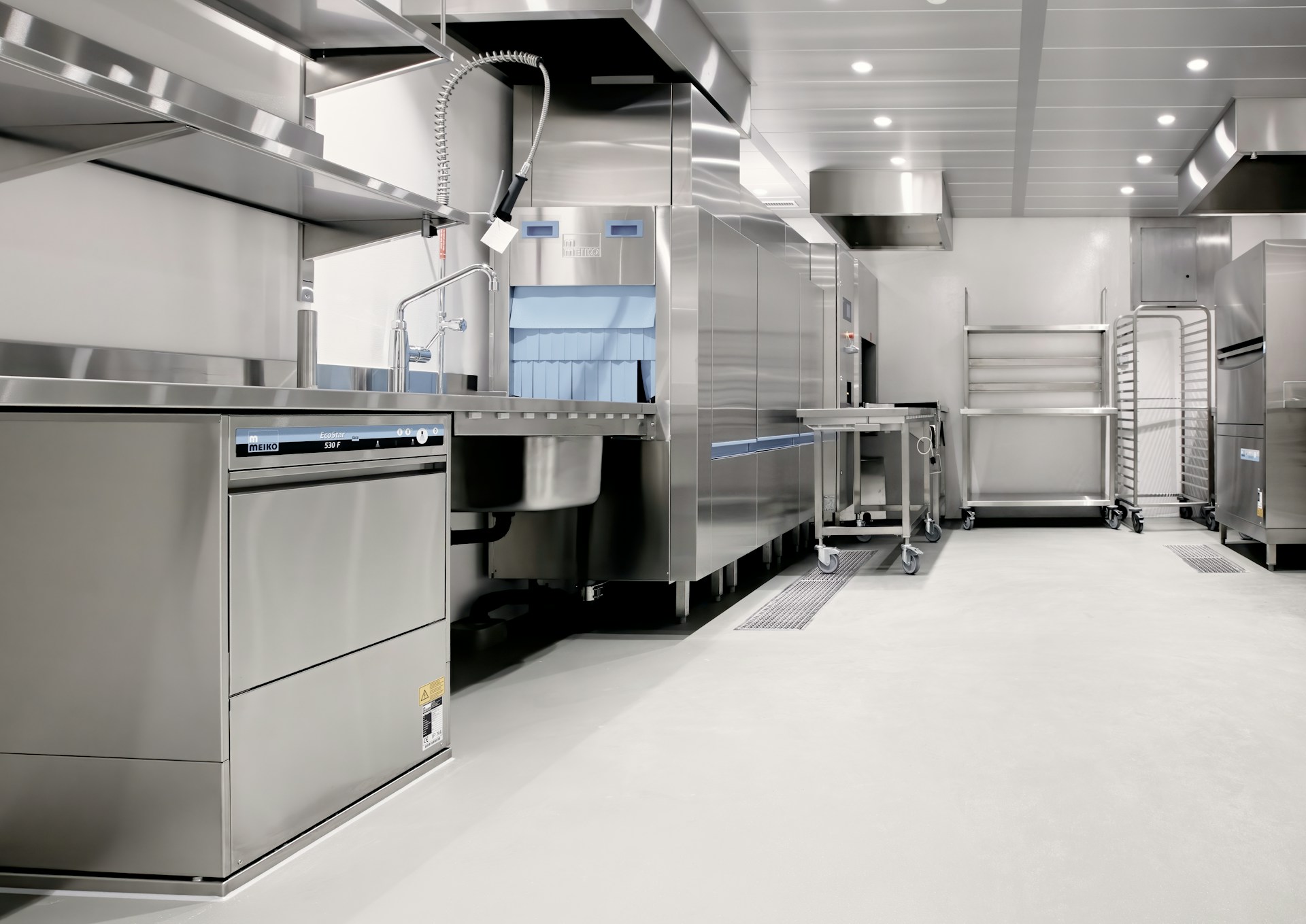
A cruise ship kitchen is usually called a galley. It supports the food operation onboard and may serve guests, crew or different outlets depending on the ship and department structure.
The work can be fast-paced and highly organised. Food preparation, hygiene, timing, teamwork and consistency matter every day. Candidates may need to follow recipes, prepare ingredients, support a station, clean work areas, follow senior instructions and maintain discipline during service.
This is why candidates should not treat galley work as a casual overseas job.
A weak mindset sounds like this:
I like cooking, so cruise kitchen should be easy for me.
A stronger mindset sounds like this:
Cruise galley work is professional kitchen work. I need to follow hygiene standards, prepare food consistently, support the team and work under pressure in a structured environment.
That difference matters.
Cruise employers are not only looking for people who enjoy cooking. They are looking for candidates who can work properly in a professional hospitality kitchen.
Why cruise kitchen jobs attract Malaysian culinary candidates
Many Malaysian culinary candidates are interested in cruise ship kitchen roles because the opportunity feels international and career-building.
A candidate who has worked in a hotel kitchen, restaurant, café, catering operation, bakery, banquet kitchen or culinary training environment may want exposure beyond Malaysia. Cruise work may also appeal to candidates who want to improve discipline, learn from a multicultural team and experience large-scale hospitality operations.
For culinary graduates, cruise work can seem like a strong step after training. For cooks with experience, it may feel like a chance to grow in a more structured environment.
However, candidates should balance excitement with realism.
Cruise kitchen work can involve long hours, repeated preparation, strict hygiene expectations, physical demands, shared living environments and time away from family. Candidates must be ready for the reality of onboard work, not only the idea of working overseas.
A weak motivation sounds like this:
I want to work in a cruise kitchen because I want to travel.
A stronger motivation sounds like this:
I want to work in a cruise galley because I have culinary training and want to build international kitchen experience. I understand the work requires discipline, hygiene awareness, teamwork and consistency.
The stronger answer sounds more professional because it connects the opportunity to real culinary readiness.
Common cruise galley and kitchen roles
Cruise kitchen roles vary depending on the employer, ship, department structure and current vacancies. Candidates should not assume every cruise line uses the same job titles or duty lists.
Some candidates may see roles such as kitchen helper, galley utility, assistant cook, commis cook, cook, chef de partie, demi chef, pastry cook, baker, sous chef or other culinary support positions. The exact title, duties and seniority level depend on employer requirements and candidate experience.
Junior candidates may be expected to support preparation, cleaning, basic cooking tasks, stock movement, mise en place or station assistance. More experienced candidates may be assessed for station knowledge, consistency, speed, leadership, menu understanding and ability to perform under service pressure.
A weak understanding sounds like this:
Any kitchen position is fine because I can cook.
A stronger understanding sounds like this:
I need to understand which kitchen role matches my actual experience. If I am still junior, I should apply for a role that matches my current skill level and be prepared to learn.
This mindset is important.
A candidate who applies for a role that does not match their experience may struggle during screening, interview or actual work.
Galley utility and kitchen support roles
Some candidates may begin with kitchen support or galley utility roles, depending on employer requirements and available opportunities.
These roles may involve cleaning, dishwashing, sanitation support, waste handling, equipment cleaning, food preparation assistance or other back-of-house duties. Although these roles may seem basic, they are important to the operation of the galley.
Candidates should not look down on support roles.
A clean and organised kitchen depends on people who take hygiene, speed and teamwork seriously. In a cruise environment, even support roles require discipline and reliability.
A weak attitude sounds like this:
Utility work is only cleaning. It is not important.
A stronger attitude sounds like this:
Galley support work helps maintain hygiene, organisation and kitchen flow. I understand that every kitchen role supports the overall food operation.
This is the mindset of a candidate who respects the kitchen.
For junior candidates, support roles may help build practical exposure and professional habits.
Cook and commis-level roles
Cook, assistant cook or commis-level roles may require stronger practical culinary exposure.
Candidates may need to assist with mise en place, basic preparation, cooking support, station setup, portioning, plating, cleaning and following instructions from senior kitchen team members. They may also need to understand basic hygiene, food handling and time management.
For Malaysian culinary graduates or junior cooks, this can be a meaningful pathway if the role matches their actual readiness.
A weak self-presentation sounds like this:
I can cook many dishes and can work any station.
A stronger self-presentation sounds like this:
I have practical kitchen experience in food preparation, mise en place, hygiene and basic cooking support. I am still developing my skills, but I am disciplined, willing to learn and comfortable following instructions in a structured kitchen.
The stronger version is more credible.
Cruise employers and recruiters may ask detailed questions. It is better to present your real skill level honestly than to claim experience you cannot support.
Chef de partie and senior kitchen roles
More senior kitchen roles usually require stronger experience and confidence.
Candidates applying for chef de partie, demi chef, sous chef or other higher-level roles may need to show station knowledge, menu familiarity, speed, consistency, food safety awareness, leadership, training ability and the maturity to work under pressure.
These roles are not usually suitable for candidates who only have basic training or limited exposure. Employers may expect proven experience in hotels, restaurants, cruise operations, banquets, catering or other professional kitchens.
A weak senior-role claim sounds like this:
I want chef de partie because the title is better.
A stronger senior-role position sounds like this:
I have experience managing a station, preparing mise en place, supporting service, maintaining hygiene standards and coordinating with junior kitchen team members. I am applying for a role that matches my current level of responsibility.
The stronger version shows role awareness.
Senior titles come with responsibility. Candidates should only apply for them if their experience supports the level.
Culinary graduates should present training properly
Culinary graduates sometimes make the mistake of listing only the qualification without explaining the practical skills behind it.
A certificate or diploma is useful, but recruiters still need to understand what the candidate can actually do.
If you are a culinary graduate, your resume should mention practical kitchen training, food preparation, hygiene, mise en place, knife skills, basic cooking methods, pastry or bakery exposure, internship experience, teamwork and any relevant kitchen department exposure.
A weak resume statement sounds like this:
Completed culinary course.
A stronger resume statement sounds like this:
Completed culinary training with practical exposure to food preparation, kitchen hygiene, mise en place, basic cooking methods, equipment handling and teamwork in a structured kitchen environment.
For internship experience:
Completed kitchen internship involving ingredient preparation, station support, cleaning duties, hygiene practice and assisting senior kitchen team members during service preparation.
These examples help recruiters understand your readiness.
Fresh graduates should not pretend to be senior chefs. They should show that they have a foundation and are prepared to learn.
Hygiene is one of the most important kitchen standards
In any professional kitchen, hygiene matters. In cruise ship kitchens, it can be especially important because food service happens in a controlled environment with many guests and crew onboard.
Candidates must understand cleanliness, food handling, personal hygiene, equipment hygiene, cross-contamination risks and the importance of following procedures. Even if the candidate is junior, hygiene awareness is essential.
A weak attitude sounds like this:
As long as the food tastes good, hygiene is not a big issue.
A stronger attitude sounds like this:
Food quality and hygiene must go together. I need to keep my station clean, follow food safety instructions, handle ingredients properly and maintain professional kitchen standards.
That is the right mindset.
A candidate with good hygiene habits can be more valuable than someone who claims to cook well but ignores standards.
Kitchen discipline starts with cleanliness.
Mise en place shows discipline
Mise en place is more than preparation. It reflects organisation, timing and kitchen discipline.
Candidates who understand mise en place know that preparation affects service. Ingredients must be ready. Tools must be organised. Stations must be clean. Timing must be controlled. A disorganised preparation stage can create problems later during busy service.
For cruise galley roles, mise en place can be especially important because the operation may involve high-volume food service and strict timing.
A weak understanding sounds like this:
I prepare things when I need them.
A stronger understanding sounds like this:
Good mise en place helps the kitchen work smoothly. I should prepare ingredients, organise tools, check my station and be ready before service begins.
This answer shows professionalism.
Candidates should be ready to discuss preparation habits during interviews.
Teamwork is essential in the galley
A cruise galley depends on teamwork.
Kitchen staff may work with chefs, cooks, stewards, utility staff, supervisors and other departments. During service, everyone must move efficiently and communicate clearly. A candidate who refuses feedback, works carelessly or creates conflict can affect the whole team.
Culinary candidates should show that they can follow instructions, respect hierarchy and support teammates.
A weak attitude sounds like this:
I only focus on my own work. Other people are not my problem.
A stronger attitude sounds like this:
Kitchen work depends on teamwork. I need to communicate clearly, follow instructions, support my station and respect the senior team so service can run smoothly.
This matters in cruise environments because crew members may also live and work with people from different cultures.
A good kitchen candidate should be skilled, but also respectful and adaptable.
Working under pressure in a cruise kitchen
Kitchen work can become intense during busy periods.
Candidates may need to prepare food quickly, respond to instructions, maintain hygiene and avoid mistakes while the operation continues. Pressure is part of hospitality, especially in large kitchens or high-volume service environments.
Interviewers may ask how candidates handle pressure.
A weak answer sounds like this:
I can handle pressure because I am hardworking.
A stronger answer sounds like this:
I handle pressure by staying organised, following priorities and communicating with the team. In the kitchen, I understand that I need to remain calm, keep my station clean and complete tasks according to instructions.
The stronger answer is more practical.
Candidates should use real examples if they have worked during busy service, hotel breakfast, banquets, restaurant rush hours or catering operations.
Real experience makes answers more convincing.
What cruise kitchen employers may look for
Cruise employers may look for candidates who show practical kitchen ability, hygiene awareness, discipline, teamwork, stamina, communication and willingness to follow procedures.
For junior roles, attitude and trainability may be important. For experienced roles, employers may expect stronger technical ability, station knowledge, consistency and leadership.
Candidates may also be assessed based on their resume, interview answers, certificates, documents and overall suitability.
A weak self-description sounds like this:
I can cook anything and I am ready for any role.
A stronger self-description sounds like this:
My experience is in kitchen preparation and basic cooking support. I am familiar with mise en place, hygiene practices and teamwork during service. I want to apply for a role that matches my current skill level and allows me to grow in a structured kitchen environment.
Specificity is stronger than exaggeration.
Employers need to understand what you can actually do.
English communication still matters in kitchen roles
Some candidates assume kitchen roles do not require communication.
That is not true.
Even back-of-house candidates may need to understand instructions, communicate with supervisors, respond to teammates, follow safety directions and participate in interviews. In cruise environments, teams can be multinational, so English communication may be useful.
Candidates do not need perfect English, but they should practise simple and clear communication.
A weak interview answer sounds like this:
I kitchen. I cook. I can work.
A stronger answer sounds like this:
I have kitchen experience in food preparation, hygiene and service support. I am still improving my English, but I can understand instructions, communicate with the team and explain my work experience clearly.
Clear communication helps recruiters assess readiness.
Kitchen candidates should practise explaining their training, station experience, daily duties, strengths and reason for applying.
What to include in a cruise kitchen resume
A cruise kitchen resume should be clear, honest and specific. Our hospitality resume guide explains how to present culinary experience well.
Candidates should include culinary training, kitchen work experience, internships, practical exposure, food preparation duties, hygiene experience, station work, certificates, languages and availability.
The resume should not simply list job titles. It should explain what the candidate actually did.
A weak resume summary sounds like this:
Cook looking for cruise job. I can cook and I am hardworking.
A stronger resume summary sounds like this:
Culinary candidate with practical experience in food preparation, mise en place, kitchen hygiene, basic cooking support and teamwork during service. Interested in building international hospitality experience through selected cruise galley or kitchen opportunities.
For a fresh culinary graduate:
Fresh culinary graduate with practical training in food preparation, kitchen hygiene, equipment handling, mise en place and teamwork. Prepared to develop further in a structured cruise or hotel kitchen environment.
For an experienced cook:
Kitchen candidate with experience in food preparation, station support, hygiene standards and busy service operations. Familiar with following recipes, maintaining station cleanliness and supporting senior kitchen team members during service.
These summaries help the recruiter understand the candidate’s level more clearly.
Candidates should adjust the wording based on their real background.
How to describe kitchen experience professionally
Many candidates weaken their resume by writing kitchen experience too simply.
A weak description might say:
Helped in kitchen.
A stronger description would say:
Supported daily kitchen operations by preparing ingredients, assisting with mise en place, maintaining station cleanliness, following hygiene procedures and supporting senior cooks during service preparation.
Another weak description might say:
Cooked food.
A stronger description would say:
Prepared assigned food items according to instructions, supported portioning and plating, maintained kitchen cleanliness and followed food safety practices during service periods.
These details matter.
Recruiters need to know what kind of kitchen exposure you have. Stronger descriptions do not need to be exaggerated. They only need to be clearer.
Interview questions for cruise galley candidates
Cruise kitchen interviews may include questions about experience, hygiene, pressure, teamwork and role understanding. Our guide on cruise interview questions and answers has more examples you can adapt.
Candidates should prepare to answer questions such as why they want to work in a cruise galley, what kitchen experience they have, how they maintain hygiene, how they handle pressure, what station they have worked in and how they respond to instructions from senior chefs.
A common question may be: “Why do you want to work in a cruise kitchen?”
A weak answer sounds like this:
I want to travel and get overseas experience.
A stronger answer sounds like this:
I want to work in a cruise kitchen because I want to build international culinary experience in a structured hospitality environment. I understand the work requires hygiene, discipline, teamwork and the ability to follow procedures under pressure.
Another common question may be: “How do you maintain hygiene in the kitchen?”
A weak answer sounds like this:
I just keep clean.
A stronger answer sounds like this:
I maintain hygiene by washing hands properly, keeping my station clean, handling ingredients carefully, separating items where required, cleaning equipment after use and following kitchen procedures.
Strong answers are specific and practical.
Candidates should avoid vague replies.
How to answer questions about pressure
Kitchen candidates should be ready to discuss pressure because service periods can be demanding.
A weak answer sounds like this:
I can work under pressure because I have no choice.
A stronger answer sounds like this:
I manage pressure by staying organised, preparing my mise en place properly, listening to instructions and communicating with the team. During busy service, I focus on completing tasks correctly while keeping my station clean.
This answer shows maturity.
It also shows that the candidate understands kitchen pressure is not only about speed. It is about organisation, communication and standards.
If you have a real example from a hotel kitchen, restaurant, banquet or catering operation, include it during the interview.
Real examples make your answer stronger.
How fresh graduates can prepare for galley roles
Fresh culinary graduates should focus on building foundations.
You may not have senior experience yet, and that is okay. But you should show that you understand the basics: hygiene, mise en place, food preparation, teamwork, following instructions and learning from senior kitchen staff.
A weak fresh graduate answer sounds like this:
I just graduated, but I can be chef.
A stronger answer sounds like this:
I recently completed culinary training and have practical exposure to food preparation, hygiene and kitchen teamwork. I understand that I am still learning, and I am ready to start at a suitable level where I can build experience properly.
This is more credible.
Fresh graduates should avoid claiming advanced skill too early. A good attitude and strong basic discipline can be more convincing than inflated confidence. Many of the same principles apply to other entry routes, including cruise ship jobs for SKM students and fresh graduates.
If you need more experience first, consider local hotel kitchens, restaurants, cafés, catering, bakeries or food production environments before applying for cruise roles.
When candidates may need more experience first
Not every culinary candidate is ready for cruise galley work immediately.
You may need more preparation if you have very limited kitchen exposure, weak hygiene awareness, poor communication, incomplete documents, unrealistic expectations or no understanding of cruise work.
This does not mean the pathway is closed. It may simply mean you should build more local experience first.
A weak reaction sounds like this:
If I cannot go now, then I give up.
A stronger reaction sounds like this:
I will build more kitchen experience first, improve my resume and prepare better for future cruise opportunities.
Local kitchen experience can be valuable.
Hotel kitchens, restaurants, catering operations, bakeries, cafés and culinary internships can all help candidates build stronger foundations.
A prepared candidate is usually stronger than a rushed candidate.
Documents culinary candidates should prepare
Candidates should prepare documents early before applying.
These may include an updated resume, academic certificates or transcripts, culinary certificates, training records, internship documents, passport-sized photo, passport or identification documents where relevant, work experience documents and any other documents requested through official channels.
For cruise or international opportunities, additional steps may apply depending on the employer and role. These may include medical checks, training or compliance steps, visa or permit processes where applicable and deployment preparation.
Do not wait until the last minute.
At the same time, protect your personal information. Only send documents through verified and official recruitment channels.
A responsible candidate prepares early, but also verifies carefully.
Be careful with cruise kitchen job scams
Cruise opportunities can attract scammers because candidates may be excited about working overseas.
Be careful if someone promises guaranteed placement, guaranteed visa approval, immediate departure, unusually high salary or a job without proper screening. Be especially cautious if someone asks for upfront payment to secure a role.
Jobs Kreate does not collect registration or upfront fees for application or placement. If an offer feels suspicious, learn how to verify a legitimate recruitment agency before paying anything.
A suspicious message may sound like this:
Pay now to secure your cruise chef job. No interview needed. Departure guaranteed.
A responsible message should sound like this:
Your profile will be reviewed based on current vacancy requirements. If shortlisted, you may be contacted for screening or interview. Final outcomes are subject to employer requirements, documentation, medical checks and relevant approval processes.
The responsible message may sound less exciting, but it is safer.
Candidates should verify communication through official Jobs Kreate channels before sharing documents or taking action.
Career growth in cruise galley roles
Cruise galley work can support career growth for candidates who are disciplined and willing to learn.
A candidate may begin in a support, utility, junior cook or commis-level role and build experience over time, depending on performance, employer structure, available opportunities and career progression pathways. Growth is never guaranteed, but strong work habits can help candidates develop.
Kitchen career growth often depends on consistency. Candidates who are punctual, clean, organised, respectful and willing to learn may build stronger reputations over time.
A weak career mindset sounds like this:
I only want the title. I do not want to start low.
A stronger career mindset sounds like this:
I want to build my culinary career properly. If I need to start at a suitable level, I will focus on learning, improving and proving myself through discipline and performance.
That mindset is more realistic.
In professional kitchens, pride should come from standards, not only titles.
What makes a strong cruise galley candidate
A strong cruise galley candidate is not only someone who can cook.
A strong candidate understands hygiene, preparation, teamwork, station discipline, timing, communication and consistency. They respect hierarchy, accept feedback and understand that kitchen work supports the guest experience even when it happens behind the scenes.
They do not cut corners. They do not exaggerate their experience. They do not treat junior tasks as unimportant. They understand that every kitchen role contributes to the operation.
A weak candidate may say:
I only want to cook. I do not want cleaning or preparation work.
A stronger candidate may say:
I understand kitchen work includes preparation, cleaning, hygiene, teamwork and following procedures. These duties are part of professional kitchen discipline.
This is the kind of maturity employers may value.
A cruise galley needs candidates who can support the whole operation, not only the attractive parts of cooking.
How Jobs Kreate supports culinary and galley candidates
Jobs Kreate supports Malaysian candidates exploring selected local and international hospitality opportunities, including cruise line hospitality pathways where applicable.
For culinary and galley candidates, support may include resume and profile review, suitability screening, role matching, interview preparation and coordination, documentation checklist guidance, visa or application support where relevant, training or compliance step guidance where relevant, pre-deployment preparation and placement coordination.
Support depends on current opportunities, employer requirements, candidate suitability, documentation and relevant processes.
Jobs Kreate does not guarantee job placement, interview success, visa approval, medical clearance, salary, joining date or deployment timeline. All applications and placements are subject to employer requirements, candidate suitability, documentation, programme criteria, medical checks, visa or permit approvals where applicable and other official processes.
Responsible recruitment means giving candidates clear guidance without false promises.
How to prepare before contacting Jobs Kreate
Before contacting Jobs Kreate about cruise galley or kitchen opportunities, prepare your background clearly.
You should know your culinary training, kitchen experience, internship background, station exposure, certificates, document readiness and the role level you may be suitable for. You should also prepare an updated resume that explains your duties properly.
A weak message sounds like this:
Hi, I want cruise kitchen job. Any vacancy?
A stronger message sounds like this:
Hi Jobs Kreate, I am interested in cruise galley or kitchen opportunities. I have culinary training and practical experience in food preparation, mise en place, hygiene and kitchen support. I have prepared my resume and would like to know if my profile can be reviewed for suitable vacancies.
The stronger message helps the recruitment team understand your background.
Clear communication makes guidance easier.
A better way to think about cruise kitchen careers
Cruise kitchen work can be meaningful for candidates who respect the profession.
Do not think only about cooking. Think about discipline. Do not think only about the ship. Think about the galley. Do not think only about travel. Think about hygiene, teamwork and pressure. Do not think only about the title. Think about the skill level you can honestly support.
A weak mindset sounds like this:
I want any chef job on a cruise because it sounds better.
A stronger mindset sounds like this:
I want to apply for a cruise kitchen role that matches my training and experience. I am prepared to work hard, follow hygiene standards, support the team and grow professionally.
This mindset protects candidates from unrealistic expectations.
It also helps candidates present themselves more professionally during screening and interviews.
Apply through official Jobs Kreate channels
If you are interested in cruise ship galley or kitchen opportunities, apply through official Jobs Kreate channels and refer to the latest vacancy information on the Jobs Kreate website. You can also read our guide on cruise ship jobs in Malaysia to understand how applications work through a licensed recruitment agency, or explore related roles such as cruise ship housekeeping.
Because openings change, candidates should not rely only on old posters, forwarded screenshots or unofficial messages. Always verify communication before sharing documents or taking action.
Jobs Kreate does not collect registration or upfront fees for application or placement. Candidates should verify suspicious payment requests directly through official Jobs Kreate contact details.
Candidate Enquiries
Email: career@jobskreate.com
Phone / WhatsApp: +60 12-832 3681
Agensi Pekerjaan Jobs Kreate Sdn. Bhd.
Company Registration No.: 201901010535 / 1319863-H
Malaysian Recruitment Licence: JTKSM 867B
Address: Level 6, Menara Darussalam, 12, Jalan Pinang, 50450 Kuala Lumpur, Wilayah Persekutuan Kuala Lumpur, Malaysia
Cruise galley work can be a strong step for Malaysian culinary candidates, but it should begin with preparation, honesty and responsible guidance.
Frequently asked questions
What are galley jobs on cruise ships?
Galley jobs are kitchen-related roles onboard cruise ships. They may include kitchen support, galley utility, assistant cook, commis cook, cook, pastry, bakery or other culinary positions depending on the employer, ship and current vacancies.
Are cruise ship kitchen jobs suitable for fresh culinary graduates?
Some fresh culinary graduates may be suitable for selected junior or support roles depending on training, practical exposure, attitude, communication, documentation and employer requirements. Others may need to build more local kitchen experience first.
What experience is useful for cruise galley roles?
Useful experience may include hotel kitchens, restaurants, catering, bakeries, cafés, culinary internships, food preparation, mise en place, hygiene practice, station support and busy service operations.
Do cruise kitchen candidates need English?
English communication may be useful because cruise kitchens can involve multinational teams and international procedures. Candidates do not need perfect English, but they should be able to understand instructions, answer interview questions and communicate clearly with teammates.
What should I include in a cruise kitchen resume?
Include culinary training, kitchen work experience, internships, food preparation duties, hygiene experience, mise en place, station exposure, certificates, languages and availability. Be honest about your skill level and responsibilities.
How do I prepare for a cruise galley interview?
Prepare to explain your kitchen experience, hygiene habits, station exposure, teamwork, pressure handling and reason for applying. Use real examples from training, internships or previous kitchen work.
Does applying guarantee a cruise kitchen job?
No. Applying does not guarantee selection. Opportunities are subject to employer requirements, candidate suitability, interviews, documentation, medical checks, visa or permit approvals where applicable and other official processes.
Does Jobs Kreate collect upfront fees for applications?
No. Jobs Kreate does not collect registration or upfront fees for application or placement. Candidates should verify suspicious payment requests through official Jobs Kreate channels.